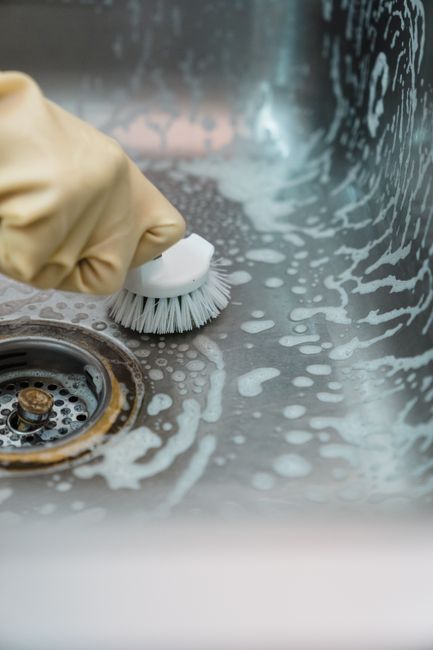
Deep cleaning for kitchens near Twickenham Station
Posted on 12/08/2026
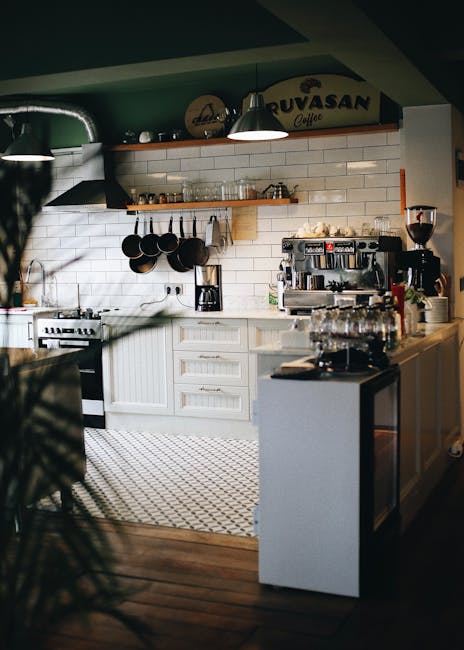
Deep cleaning for kitchens near Twickenham Station: a practical guide for busy homes and local properties
If you live or work near Twickenham Station, you already know kitchens can get messy fast. There's the morning coffee rush, the quick midweek dinner, the takeaway boxes that seem harmless until grease builds up, and the corners you only notice when the sun hits the tiles at 8 a.m. Deep cleaning for kitchens near Twickenham Station is about more than making things look tidy. It is the kind of thorough clean that tackles hidden grime, stubborn residue, odours, and the places everyday wiping tends to miss.
This guide explains what deep kitchen cleaning actually involves, why it matters in this part of Twickenham, how the process works, and what to look for if you are weighing up a professional service. It also covers practical tips, common mistakes, and a few real-world considerations that are easy to overlook until you are standing in front of a sticky hob wondering where the time went.
Why deep cleaning for kitchens near Twickenham Station matters
Kitchens near a busy station area tend to work hard. People come and go, meals are rushed, and in many homes the kitchen doubles as a prep space, storage room, and social hub. That mix creates a familiar pattern: spills around the cooker, splashes behind the sink, crumbs in drawer runners, and a thin film of grease on high-touch surfaces. You may not notice it day to day, but it builds.
Deep cleaning matters because kitchens are not just another room. They are the place where food is prepared, which means cleanliness affects hygiene, smell, surface condition, and even how long your fittings last. A wiped countertop is useful, sure. But it does not remove the residue that gathers around extractor fans, behind appliances, inside cupboard handles, or under the bin area. Those are the spots that quietly become a problem.
For homes near Twickenham Station, there is also a practical local angle. Flats, terraces, rented properties, and busy family homes often have compact kitchens where grime shows quickly. Smaller spaces can look clean on the surface while still holding onto grease and damp in corners. In our experience, that is exactly why people call for a proper deep clean rather than another quick once-over.
Key takeaway: a true kitchen deep clean is less about shine and more about removing the hidden build-up that ordinary cleaning leaves behind.
If you are comparing broader home help as well, it can be useful to look at domestic cleaning in Twickenham or house cleaning for TW1 homes as part of your overall plan. Not every situation needs the same level of detail in every room.
How deep cleaning for kitchens near Twickenham Station works
A proper kitchen deep clean follows a more methodical process than standard cleaning. The goal is to work from top to bottom, then from dry to wet, then from visible surfaces to hidden ones. That sounds a little fussy, maybe, but it is exactly what stops dirt from being moved around rather than removed.
Most professional kitchen deep cleans start with an assessment of the room. The cleaner looks at the type of hob, the condition of the splashback, the amount of grease on cabinets, and whether appliances need internal attention. From there, the clean usually covers:
- degreasing hobs, splashbacks and cooker hoods
- cleaning inside and outside cupboards and drawers
- scrubbing sinks, taps and plugholes
- wiping skirting boards, edges and tiled joins
- cleaning behind and around appliances where accessible
- polishing worktops, handles and appliance fronts
- removing limescale, food residue and sticky patches
- dusting vents, light fixtures and top surfaces
Depending on the condition of the kitchen, the process may also include oven exterior cleaning, fridge exterior cleaning, and focused attention on problem areas like bin storage or pet feeding stations. To be fair, these are the spots that most people do not think about until they smell them.
Good services work carefully around finishes. A composite worktop, painted cabinet, laminate door, and stainless-steel appliance all need slightly different handling. Using the wrong product can leave streaks, clouding, or dull patches. That is why experience matters; it is not just elbow grease.
Key benefits and practical advantages
The benefits go beyond a tidy-looking room. A deep kitchen clean can change how the whole home feels. The air smells fresher. Surfaces feel less tacky. Cupboards open without that faint greasy drag. And honestly, it is a relief.
Here are the main practical advantages:
- Better hygiene: grease, crumbs and food residue are reduced in hard-to-reach spots.
- Less odour: old cooking smells often cling to extractor areas, bins and cupboard edges.
- Improved appearance: dull cabinets, stained splashbacks and smudged doors come back to life.
- Longer-lasting surfaces: grime can wear down finishes if it is left in place for too long.
- Less stress: a clean kitchen simply makes daily cooking feel easier.
- Better presentation: useful before moving out, selling, letting or hosting guests.
There is also a financial angle, even if it is not always obvious. A kitchen that is maintained well tends to need fewer emergency fixes and fewer replacement parts. Grease can be surprisingly stubborn once it settles into hinges, seals and vent covers. Prevention is easier than repair. That old phrase is true here, annoyingly enough.
If your clean is part of a move or sale, you may also find useful context in end of tenancy cleaning in TW1 or Twickenham home selling guidance. A presentable kitchen can make a real difference to first impressions.
Who this is for and when it makes sense
Deep kitchen cleaning is not only for people in crisis mode. In fact, the best time to book one is usually before things become visibly bad. A lot of clients near Twickenham Station fall into one of these groups:
- Busy professionals: the kitchen gets used quickly and cleaned superficially, then build-up sneaks up.
- Families: constant cooking, snacks, and after-school chaos create extra wear.
- Renters and landlords: a detailed clean helps with handovers and property condition.
- Homeowners preparing for guests: especially before events, gatherings or long weekends.
- People recovering after illness, renovation or a period of neglect: sometimes the kitchen simply needs a reset.
- Small offices or shared accommodation: communal kitchen areas can deteriorate faster than anyone expects.
So when does it make sense? Usually when you notice sticky cabinet edges, lingering odours, visible grease around the hob, limescale around taps, or an extractor fan that no longer looks like the same colour. Also when you know you would rather not spend your Saturday scrubbing behind the fridge. Fair enough.
For properties used by staff or visitors, it can be sensible to compare kitchen care with office cleaning services and broader support from the full services overview. Just keep in mind that each environment has different priorities.
Step-by-step guidance
If you want to understand what a strong kitchen deep clean should feel like from start to finish, here is the practical sequence. Not every provider will do every step in exactly the same order, but the logic should be similar.
- Clear and declutter the space. Remove food items, counter clutter, bins and loose accessories so every surface can be reached.
- Inspect problem areas. Look for grease, limescale, staining, mould risk, and damaged seals or grout.
- Dry dust first. Remove crumbs and loose dirt before introducing liquids.
- Degrease key surfaces. Hobs, splashbacks, extractor zones, cupboard fronts and handles usually need the strongest attention.
- Clean appliances and fixtures. Wipe around ovens, fridges, kettles, microwaves, taps and sinks.
- Tackle hidden edges. Corners, skirting boards, top ledges, seals, hinges and drawer runners often trap grime.
- Detail the finish. Polish stainless steel, buff glass, and remove residue so surfaces do not feel sticky afterwards.
- Sanity check. Step back, check the lighting, and make sure nothing has been missed at eye level or floor level.
A small but important point: a kitchen clean should not leave the room smelling heavily perfumed. You want fresh, not disguised. There is a difference, and your nose knows it within about ten seconds.
Some people ask whether they should handle the kitchen themselves first. The answer is yes, if you want to save time for the cleaners and remove personal clutter. But if the kitchen is heavily soiled, over-prepping is not necessary. Leave the deep work to the deep clean.
Expert tips for better results
The difference between an average result and a genuinely good one often comes down to small decisions. A few are boring, but they matter.
- Start with the worst area first. In kitchens, that is usually the hob, splashback or sink zone.
- Use the right cloth for the surface. Microfibre is generally useful, but delicate finishes may need gentler handling.
- Let degreasers dwell briefly. Rubbing immediately can waste effort if the product has not had time to work.
- Do not soak cabinet edges. Excess water can damage joins and swell some materials.
- Check under small appliances. Toasters and kettles are tiny chaos factories, frankly.
- Clean from top to bottom. It avoids re-dusting finished work.
- Open windows if possible. Ventilation helps with drying and odour control.
If you are comparing specialist services, you might also look at carpet cleaning in TW1 or upholstery cleaning in Twickenham when the kitchen is part of a wider refresh. A clean kitchen paired with fresher soft furnishings can make the whole property feel newly looked after.
One more practical tip: if the kitchen has been untouched for a while, do not expect perfection in one pass. Sometimes the first clean restores 80% and a second targeted visit brings the room over the line. That is normal, not a failure.
Common mistakes to avoid
A lot of kitchen cleaning problems come from rushing. Another common issue is using the same method on every surface, which sounds efficient until a cabinet finish dulls or a grout line stains more deeply.
- Using harsh products on delicate surfaces. Strong chemicals can damage coatings, sealants or polished finishes.
- Ignoring ventilation. Grease and moisture spread if extractor areas are never cleaned.
- Forgetting handles and switches. These collect fingerprints and cooking residue fast.
- Cleaning around clutter instead of removing it. That just hides dirt and wastes time.
- Leaving moisture in corners. Damp edges can become musty or encourage mould.
- Only cleaning what is visible. The back of the bin cupboard is often the real story.
There is also a timing mistake people make before moving or hosting: they leave the kitchen clean too late. If the room needs a proper reset, book or schedule it early enough to deal with any surprises. You do not want to discover a greasy extractor two hours before guests arrive. That is the sort of moment that gets remembered.
Tools, resources and recommendations
You do not need a huge toolkit for a strong result, but you do need the right basics. For domestic kitchen deep cleaning, the essentials usually include microfibre cloths, a non-abrasive sponge, a degreasing cleaner suitable for kitchen use, a limescale remover where appropriate, a bucket of warm water, and a small detail brush for hinges or grooves.
For more demanding jobs, the approach may also involve specialised steam or extraction methods, depending on the surface and condition. Not every kitchen needs that. In many cases, controlled manual cleaning is better because it allows more precision and less risk.
Here are a few useful recommendations when judging whether a service is well set up:
- they ask what materials your kitchen has before starting
- they explain how they handle stubborn grease or limescale
- they are clear about what is included and what is not
- they work methodically rather than rushing through the room
- they can adapt to rentals, family homes, or shared spaces
If you are checking service details, it can help to review pricing and quotes, read more about the company background, and understand practical policies such as insurance and safety. These pages do not replace a conversation, but they do help you judge professionalism.
Law, compliance, standards and best practice
For kitchen cleaning, there are a few UK best-practice points worth keeping in mind, especially if the space is used by staff, tenants, or multiple households. While this article is not legal advice, a sensible cleaner should always work with attention to hygiene, safe product use, and protection of surfaces and occupants.
In practical terms, that means:
- using cleaning products appropriately and avoiding unnecessary chemical overload
- following standard safety practices around wet floors, sharp edges and electrical appliances
- being careful not to damage finishes, seals or fixtures
- working in a way that reduces cross-contamination between dirty and clean areas
- respecting property access, privacy and security
For rented homes and move-out situations, kitchen cleanliness often forms part of the expected handover standard. The exact requirement depends on the tenancy, the condition of the property, and what was agreed at the start. It is wise to keep photographs and notes, just in case anything needs to be clarified later.
For businesses or shared environments, health and safety expectations are usually about maintaining a clean, low-risk space and making sure cleaning practices do not introduce hazards. Wet floors, residue on handles, and greasy extractor areas are all avoidable issues if the work is done properly. Simple, but easy to get wrong.
Where a provider references their standards, it is sensible to look for plain, clear information in pages such as health and safety policy, terms and conditions, and privacy policy. That is less about formality and more about trust.
Options, methods, and comparison table
Not every kitchen needs the same type of clean. The right choice depends on how dirty the space is, how quickly you need it done, and whether the kitchen is part of a larger property refresh. Here is a practical comparison.
| Option | Best for | What it covers | Limitations |
|---|---|---|---|
| Standard kitchen clean | Routine upkeep | Visible surfaces, basic wiping, light sanitising | Usually misses built-up grease and hidden grime |
| Deep kitchen clean | Neglected, busy, or move-related kitchens | Detailed degreasing, edges, fixtures, cupboard fronts, sink areas | Takes longer and may need more preparation |
| Combined property clean | Whole-home refresh | Kitchen plus other rooms, often including floors and soft furnishings | Less focused on one room unless specified clearly |
| Specialist add-ons | Particular issues like ovens, carpets or upholstery | Targeted extras for stubborn or heavily used items | Usually separate from the base kitchen clean |
In plain English: if your kitchen is only mildly untidy, a standard clean may be enough. If you can feel the grease on cabinet handles, or the room has a lingering smell after cooking, a deep clean is usually the better call.
Case study or real-world example
Here is a realistic example based on the kind of job that comes up near Twickenham Station. A couple moving out of a compact flat had kept the place tidy, but the kitchen had quietly become a problem. The hob had a baked-on ring of residue, the top of the extractor was dusty and greasy, cupboard handles were sticky, and the bin cupboard had a smell that lingered even after the rubbish had been removed.
They were not looking for a dramatic overhaul. They just wanted the kitchen to feel clean again and to present well for the next occupant. The job started with clearing the space, then focused degreasing on the cooker area, sink, cupboard fronts and floor edges. Small details made the difference: the seal around the sink, the top edge of the splashback, the skirting behind the bin, the little recess where crumbs gather near the plinth.
The result was not a showroom transformation. It was better than that. It was the kind of improvement you notice immediately when you walk back in. The room smelled lighter, the surfaces were easier to touch, and the couple said the whole flat felt less tired. That is usually the real win. Not perfection, just relief.
If a kitchen issue is tied to a last-minute property need, it may be worth looking at same-day emergency cleaning in Twickenham for context on urgent turnaround situations. Not every job is urgent, but some really are.
Practical checklist
Use this quick checklist before or during a kitchen deep clean. It keeps things organised and stops the obvious stuff from being forgotten.
- Clear all surfaces and remove food items
- Empty the bin and clean around the bin area
- Wipe or degrease the hob and surrounding splashback
- Clean the sink, taps and drain area
- Dust and wipe cupboard fronts, handles and edges
- Check behind and beside appliances where accessible
- Clean extractor fan covers and nearby surfaces
- Remove crumbs from skirting boards, corners and plinths
- Polish final surfaces and check for streaks
- Open windows or ventilate the room after cleaning
If you want to make this easier next time, keep a small basket for kitchen clutter and routine items. It sounds basic, and it is. But basic is often what saves you an hour later.
Conclusion
Deep cleaning for kitchens near Twickenham Station is one of those services that pays you back in several ways at once. You get a cleaner-looking space, better hygiene, less grease, fewer odours, and a kitchen that feels easier to live with. For renters, sellers, busy families and shared properties, it can also remove a surprising amount of stress.
The main thing is to treat kitchen cleaning as a proper maintenance task, not a once-in-a-while rescue mission. Regular care makes the deep clean faster, better, and less costly in the long run. And if your kitchen is already overdue for attention, no judgement at all. It happens. Life gets busy, the week runs away with you, and suddenly the hob tells the truth.
Get a free quote today and see how much you can save.
Sometimes a clean kitchen does more than tidy a room. It gives a home its breathing space back.