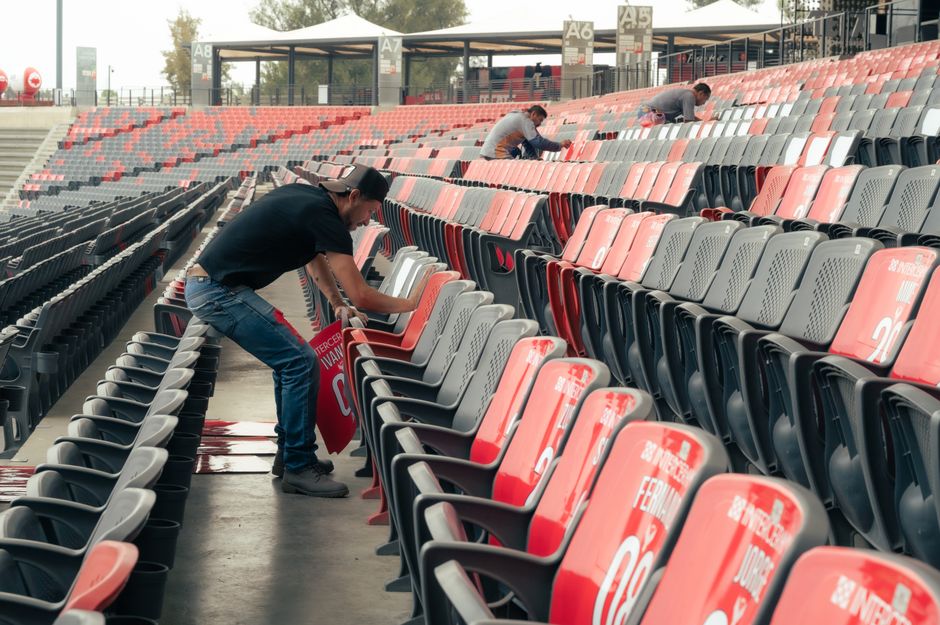
Twickenham Stadium emergency cleaning same day service
Posted on 27/07/2026
Twickenham Stadium emergency cleaning same day service: a practical guide for urgent turnaround, event recovery, and fast site reset
If you need a Twickenham Stadium emergency cleaning same day service, chances are something has gone sideways and the clock is already mocking you. A spill before doors open, an unexpected mess after a busy event, a damaged carpet in a hospitality area, or a last-minute request from an organiser can all create a situation where "tomorrow" is simply not good enough.
This guide breaks down what same day emergency cleaning actually involves, how it tends to work in real life, who needs it, what to ask for, and how to avoid the mistakes that make a stressful situation worse. It is written for people who need a sensible answer, not fluff. You will also find a clear checklist, a comparison table, and a few grounded tips based on the sort of pressure that comes with venue, event, and hospitality turnaround work. If you also manage spaces beyond the stadium environment, related reading like best event spaces in Twickenham can help you think through venue logistics more broadly.
Quick expert summary: emergency cleaning is not just "normal cleaning faster". It is a focused response that prioritises safety, visible presentation, odour control, hygiene, and fast reopening. In a place as busy and public-facing as Twickenham Stadium, that usually means clear communication, correct equipment, and a crew that knows how to work around time pressure without cutting corners.
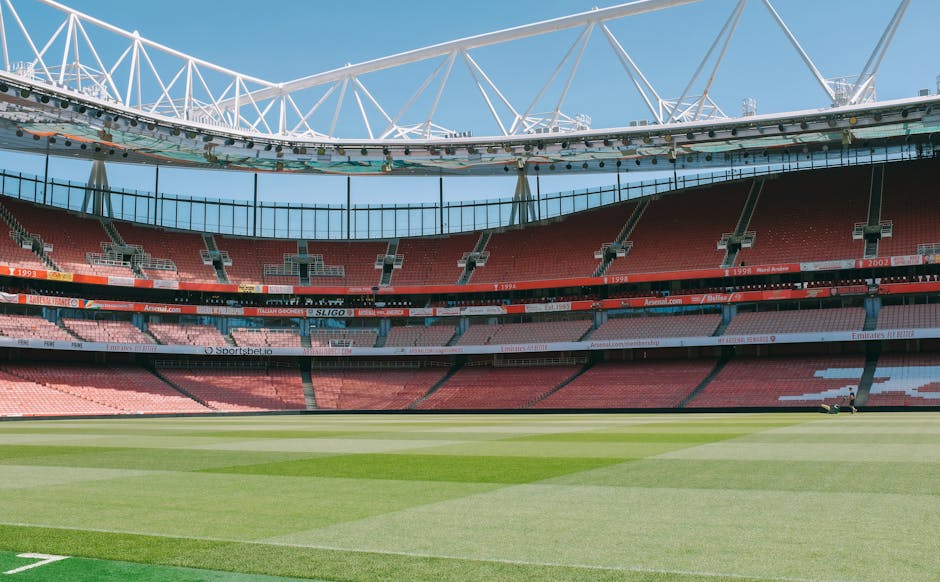
Why Twickenham Stadium emergency cleaning same day service Matters
Twickenham Stadium is not a quiet corner shop where a small delay can be shrugged off until closing time. It is a large, highly visible venue where presentation, foot traffic, and time sensitivity matter a great deal. When a cleaning issue happens there, the knock-on effect can ripple quickly: guests notice it, staff get slowed down, and the venue team ends up firefighting instead of running the event.
Emergency cleaning matters because problems rarely stay small. A wet patch can spread. A food spill can stain seating or flooring if left. Litter can attract more litter. A washroom issue can become a reputational issue in minutes. That is especially true on match days, during concerts, corporate events, or private hospitality bookings, when people move through shared spaces in waves and the pressure builds fast.
There is also a safety angle. Slips, odours, blocked access points, and unhygienic surfaces are not just annoying. They can create avoidable risk for visitors and staff. A same day response helps reset the environment before small disruption becomes a bigger operational headache. To be fair, that is what most people want in the moment: less drama, fewer complaints, and a venue that feels like it has its act together.
For site managers, caterers, event organisers, and facilities teams, the real value is calm. You are not just buying a clean floor. You are buying back time, order, and confidence. And sometimes, that is the difference between a decent day and a chaotic one.
How Twickenham Stadium emergency cleaning same day service Works
Same day emergency cleaning usually follows a fairly simple structure, though the execution can vary depending on the mess, the access, and how quickly the site needs to reopen. In practice, the process often begins with a short, focused briefing: what happened, where it happened, what is affected, and what deadline is non-negotiable.
From there, the cleaning team will typically assess the urgency and decide what can be tackled immediately. That might mean a fast-response crew arriving with specialist cleaning materials, absorbent products, odour control supplies, extraction equipment, or waste removal tools. If the job involves carpets, upholstery, or other soft furnishings, the approach needs extra care because wet treatment in a rush can leave residue or over-soak the fabric. For broader fabric care, you may also find it helpful to read about upholstery cleaning in Twickenham and how soft surfaces need different handling.
Most emergency jobs are handled in stages:
- Immediate containment - stop the problem spreading, whether that means isolating a spill, clearing debris, or protecting a walkway.
- Targeted cleaning - remove the visible contamination using the right method for the surface.
- Sanitising and deodorising - especially important for washrooms, food areas, or anything involving bodily fluids.
- Detail finishing - edges, corners, touchpoints, and high-visibility areas are checked again.
- Sign-off or reinspection - a final look to make sure the area is safe and presentable.
The main thing to understand is that speed should not replace judgement. A crew that moves quickly but ignores surface compatibility, ventilation, or safety procedures can create a second problem while solving the first. Nobody wants that, obviously.
If the issue sits within a broader venue or workplace environment, the response may be tied into general facilities work. A useful starting point is the services overview, which gives a sense of how different cleaning needs fit together rather than being treated as one-off panic jobs.
Key Benefits and Practical Advantages
The most obvious benefit is speed. Same day service exists because some situations cannot wait, and every hour matters when guests, staff, or operations are already in motion. But speed alone is not the real story.
Here is what good emergency cleaning actually gives you:
- Faster reopening of public or back-of-house areas.
- Reduced disruption to event schedules, hospitality service, or staff movement.
- Better first impressions when visitors arrive and notice less, which is exactly the point.
- Lower risk of staining or lasting damage if spills are treated promptly.
- Improved hygiene and odour control in high-traffic environments.
- Clearer decision-making because the problem is handled by people who know what they are looking at.
There is also a planning benefit that people sometimes miss. Once you have an emergency cleaning partner, you can respond more confidently to future issues because the process is no longer improvised. That saves time, yes, but it also helps your team stay steady when everyone else is looking around wondering who is in charge.
For venue-adjacent offices, admin spaces, or support rooms, a more general office cleaning service may sit alongside emergency response planning. The two are related, but not the same. One is about ongoing maintenance. The other is about immediate recovery.
Who This Is For and When It Makes Sense
This type of service is for anyone responsible for keeping a busy site safe, presentable, and functional under pressure. In the Twickenham Stadium context, that can include event organisers, venue operations teams, hospitality managers, facilities coordinators, contractors, and cleaning supervisors working against a hard deadline.
It also makes sense for situations such as:
- food or drink spills in seating, hospitality, or circulation areas
- overflowing bins or waste accumulation after a packed event
- washroom incidents that need immediate attention
- mud, debris, or weather-related soiling brought in by heavy footfall
- post-event resets after private functions, conferences, or corporate entertaining
- unexpected mess in storage, staff, or back-of-house spaces
Let's face it, not every issue is dramatic. Sometimes it is just a room that looks tired, sticky, or rough around the edges after a busy day. But on a large site, that "minor" problem can still look unprofessional very quickly.
This service makes the most sense when the cost of delay is greater than the cost of a rapid response. That could be because of reputation, safety, customer experience, or strict time windows. If your situation is more ordinary and less urgent, routine work such as domestic cleaning in TW1 or house cleaning in Twickenham may be more appropriate. Different job, different pace.
Step-by-Step Guidance
If you need emergency cleaning done the same day, a calm sequence helps more than a frantic one. The cleaner the handover, the faster the fix. Here is a practical way to manage it.
- Describe the issue clearly. Say what happened, where it happened, what surface is affected, and whether anyone has already tried to clean it. That last bit matters more than people think.
- Explain the deadline. Be specific about access windows, event start times, or reopening needs.
- Flag risks. Mention anything slippery, sharp, contaminated, electrically sensitive, or fragile.
- Share access details. Emergency response gets slower when the crew is waiting at a locked gate or wondering which entrance is actually open.
- Ask what the first pass will cover. You want to know whether the team is aiming for containment, full restoration, or a staged clean with follow-up work.
- Confirm the finishing standard. In plain English: do you need "safe and tidy", or "event-ready and polished"?
- Request a final walkthrough if possible. A quick recheck catches the little things that people notice later: edges, residue, missed corners, lingering smells.
A tiny but useful tip: take photos before anything is moved, especially if there has been a spill or damage. Not for drama. Just for clarity. It helps everyone understand what was there originally and what has changed after cleaning.
If the issue has affected soft furnishings, checking the service type is sensible. The needs of a carpet fibre are not the same as a hard floor or vinyl surface, and a rushed "one method fits all" approach is rarely the answer. That is one reason a page like carpet cleaning in TW1 can be useful context when you are dealing with fibre-heavy areas.
Expert Tips for Better Results
There are a few things that separate a decent emergency clean from a genuinely good one. Nothing magical. Just disciplined habits and a bit of practical experience.
- Act early. Fresh spills are usually easier to control than set-in contamination. Even a ten-minute delay can change the job.
- Match the method to the surface. Carpet, vinyl, tile, laminate, upholstery, and painted surfaces all react differently. That sounds obvious, but in a rush it is easy to forget.
- Keep traffic moving away from the problem. Simple barrier control or redirecting footfall can stop a small issue becoming a larger one.
- Prioritise touchpoints. Doors, rails, counters, taps, and washroom fittings are often the first things people register, even unconsciously.
- Ventilation helps. A room that smells damp or stale after a clean rarely feels "done".
- Use a second look. The first clean removes the obvious mess. The second look catches what the eye missed while everyone was rushing.
One practical observation from time-sensitive work: people often underestimate how much the end result depends on the first five minutes. If the team can see the issue clearly and access it safely, the job moves much more smoothly. If not, things get messy in a different way. Not fun.
When you are coordinating an event space rather than a private building, a broader planning mindset helps too. If you handle venue turnover regularly, browsing Twickenham local living insights can give useful local context about how the area functions day to day, which is handy when traffic, access, and timing all matter.
Common Mistakes to Avoid
Under pressure, people make predictable mistakes. That is normal. But a few of them can slow everything down or make the final clean less effective.
- Leaving the issue too long before acting. The longer a spill or contamination sits, the harder it is to remove cleanly.
- Using the wrong product. Stronger is not always better. Sometimes it just sets the stain, damages the finish, or leaves residue.
- Scrubbing too hard. Especially on carpet or fabric, aggressive action can spread the problem or push it deeper.
- Forgetting access and waste removal. A fast clean still needs somewhere for waste to go.
- Not defining the target result. "Clean it up" can mean very different things to different people.
- Skipping a final check. The job is not finished just because the main mess is gone.
There is also a common commercial mistake: treating emergency cleaning as an isolated task rather than part of a wider site management process. If the venue regularly hosts events, it may be worth considering how emergency response fits alongside scheduled maintenance, hospitality turnover, and post-event servicing. A broader planning habit often saves money in the long run, though nobody likes hearing that in the middle of a crisis.
For those managing move-outs, event handovers, or short turnaround properties nearby, it can also be useful to look at end of tenancy cleaning in TW1. Different situation, same principle: the more organised the clean, the less stressful the handover.
Tools, Resources and Recommendations
A proper emergency clean depends on more than enthusiasm and a cloth. The right equipment matters because time is limited and the surfaces may be delicate, busy, or difficult to reach.
Common tools and materials may include:
- absorbent pads or paper for immediate containment
- neutral cleaning solutions for general surface recovery
- microfibre cloths for controlled wiping without excess residue
- wet extraction equipment for carpets or soft surfaces
- deodorising products for lingering smells
- protective gloves and disposable waste bags
- barriers or caution signage to manage foot traffic
Good recommendations are not always glamorous, but they are useful:
- keep an emergency contact process ready before an incident happens
- know which rooms or entrances are easiest to isolate
- store basic cleaning supplies where staff can reach them quickly
- make sure supervisors know who can authorise urgent work
- use clear internal notes so follow-up work is not guessed at later
If you are deciding whether to escalate a situation, ask yourself one straightforward question: Would I be comfortable showing this area to guests in the next hour? If the answer is no, it is probably time to act rather than hope.
Law, Compliance, Standards, or Best Practice
Emergency cleaning in a public venue is not just about appearance. There are also basic duties around safety, hygiene, and sensible risk management. Without pretending to be a legal lecture, the general expectation in UK settings is that employers and venue operators keep work and public areas reasonably safe, reduce obvious hazards, and avoid exposing people to unnecessary risk.
In practice, that means a same day cleaning response should support:
- slip and trip prevention where floors are wet, dirty, or obstructed
- safe waste handling where contaminated material or sharp debris is present
- appropriate cleaning chemistry for the surface and the type of contamination
- clear communication so people know which areas are out of use
- documented procedures for incidents, handovers, and follow-up checks
Best practice also means being honest about what can be completed within the deadline. If a deep restoration is needed, it is better to say so clearly than to oversell what can be achieved in one visit. That honesty builds trust. People remember it.
For businesses wanting to understand working standards and broader service values, pages such as insurance and safety, health and safety policy, and terms and conditions can help set expectations around how professional cleaning support is structured. If you are reviewing supplier trust signals, about us is also worth a look.
Options, Methods, or Comparison Table
Different urgent situations call for different approaches. The goal is not always the same, so the method should not be either.
| Approach | Best for | Speed | Typical outcome | Watch-outs |
|---|---|---|---|---|
| Spot response | Small spills, isolated contamination, single-area issues | Fastest | Immediate containment and visible recovery | May need follow-up for staining or odour |
| Targeted same day clean | Moderate incidents affecting one room or zone | Fast | Area is safe, clean, and presentable again | Needs clear access and a defined scope |
| Deep recovery clean | Heavy soil, repeated use, or post-event residue | Slower than spot work | More thorough restoration of appearance and hygiene | May require drying time or staged work |
| Planned follow-up clean | Large incidents where a temporary fix is needed first | Immediate plus later | Site is stabilised now, fully refreshed later | Requires good coordination and handover notes |
A useful way to choose is to think in terms of risk, visibility, and time. If the issue is high-risk and highly visible, you usually need a rapid targeted response. If it is more widespread, a staged clean often gives better results than trying to force everything into one rushed visit.
Case Study or Real-World Example
Here is a realistic example, kept general on purpose. A hospitality area in a busy stadium setting experiences a late spill during a packed event. Drinks are on the floor, footfall keeps coming, and the space needs to stay open as much as possible. Staff do the right thing and contain the area quickly, then call for urgent cleaning rather than trying to solve it with paper towels and optimism.
The response focuses first on safety and containment. The visible liquid is removed, the affected flooring is cleaned with a method suited to the surface, and surrounding touchpoints are checked. The team then returns for a quick reinspection once the area has dried enough to assess properly. The result is not just a cleaner floor; it is a calmer room and fewer complaints from guests who were probably wondering what had just happened.
What made the difference? Clear communication, prompt escalation, and a realistic goal. Nobody tried to turn it into a miracle. They aimed for safe, presentable, and event-ready. That is usually the right mindset.
If the same building also needs recurring support between events, then some combination of routine upkeep and emergency readiness is usually the smartest way forward. That is especially true in local areas where foot traffic, seasonal use, and short windows all collide. A broader local read on the area can be found in a local perspective on Twickenham, which gives a little more sense of the everyday rhythm around here.
Practical Checklist
Use this checklist when you are arranging or receiving a same day emergency clean:
- Confirm the exact location and access point.
- State the nature of the mess or incident clearly.
- Say whether people, food, equipment, or public access are affected.
- Identify any slip risk, contamination, or delicate surfaces.
- Share the deadline for reopening or sign-off.
- Explain what outcome you need: containment, recovery, or full presentation clean.
- Remove or protect nearby valuables if needed.
- Arrange a contact person who can make fast decisions on site.
- Allow for a final inspection after the clean.
- Record any follow-up work that may still be required.
Mini reminder: if the area still feels risky after the first pass, do not rush it back into use. A clean that is safe but slightly delayed is better than a rushed finish that causes another incident. Simple as that.
Conclusion
A Twickenham Stadium emergency cleaning same day service is about more than speed. It is about controlling disruption, reducing risk, and restoring confidence in a place that needs to look organised even when something has gone wrong. When you understand the process, define the outcome clearly, and choose the right kind of response, the whole situation becomes much easier to handle.
Whether the issue is a spill, a hygiene concern, a post-event mess, or a back-of-house problem that refuses to wait until tomorrow, the smart move is usually the same: act early, communicate clearly, and aim for a clean that is safe, sensible, and fit for purpose. That is what good emergency cleaning should do. Quietly, properly, and without adding to the chaos.
For readers comparing support options or planning ahead for future events, it can help to review practical service information such as pricing and quotes and broader cleaning support through services overview. And if your cleaner is expected to handle bedding, fabric, or upholstery nearby, keep upholstery cleaning in Twickenham in mind as part of the wider recovery picture.
Get a free quote today and see how much you can save.